Table of Contents
ToggleImagine waking up to the gentle hum of your coffee maker, while your smart thermostat adjusts the temperature to your perfect morning chill. Welcome to the future of smart homes, where technology and comfort collide in the most delightful ways. As gadgets get smarter and homes more intuitive, everyday living transforms into an experience that’s both convenient and, dare we say, a little magical.
The Future of Smart Homes
The future of smart homes emphasizes integration and automation. Home devices will increasingly communicate seamlessly with each other. Innovators focus on artificial intelligence and machine learning to anticipate user needs. Real-time data analytics will enhance the smart home experience, tracking energy consumption and optimizing usage.
Smart lighting systems will adjust according to natural sunlight or user preferences, enhancing energy efficiency. Security features, like smart locks and cameras, will use biometric recognition to provide better safety. Environmental sensors will actively monitor air quality and temperature, ensuring a healthier indoor atmosphere.
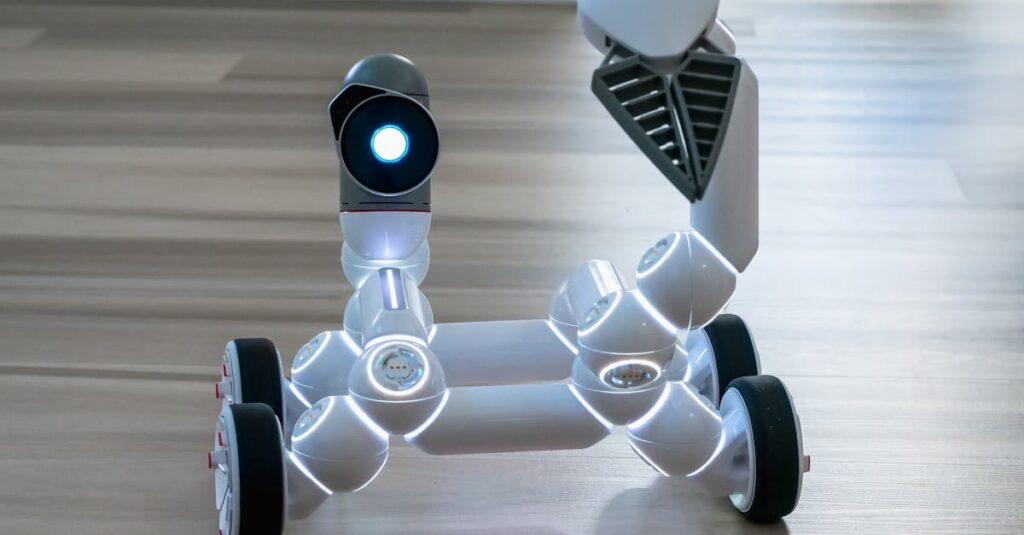
Voice-activated assistants will serve as central control hubs, allowing users to manage multiple devices with a simple command. Advanced robotics may even assist with household tasks, from cleaning to meal preparation. Home energy management systems will optimize power consumption, aiming to reduce overall costs.
Market projections indicate that the smart home market could grow to over $150 billion by 2026, reflecting a significant trend. Many consumers prioritize convenience and efficiency, driving demand for these technologies. Companies behind these innovations will need to prioritize user-friendly interfaces to attract a broader audience.
Cybersecurity remains a top concern as smart home devices proliferate. Manufacturers will focus on developing robust security measures to protect user data. Ongoing collaboration between tech companies and privacy advocates might become essential to address potential vulnerabilities.
The future of smart homes is poised for remarkable advancements. Connectivity and automation will play essential roles in transforming how individuals interact with their living environments.
Emerging Technologies
Smart homes will evolve rapidly as emerging technologies play pivotal roles. Innovations in artificial intelligence and the Internet of Things shape these advances.
Artificial Intelligence Integration
Artificial intelligence enhances smart home efficiency. Systems equipped with AI analyze user behavior to anticipate needs and preferences. Predictive algorithms allow devices to automate tasks, adjusting settings based on historical data. For example, AI can learn preferred temperatures and adjust the thermostat accordingly. Machine learning can optimize energy usage, reducing costs without sacrificing comfort. Innovations in natural language processing enable smarter voice-activated assistants, making interactions more intuitive.
Internet of Things (IoT) Developments
The Internet of Things continues to connect devices seamlessly. Smart home devices, ranging from refrigerators to security cameras, communicate in real time. This connectivity allows for centralized control, which simplifies user experiences. IoT developments also focus on enhancing security features, allowing homeowners to monitor their properties remotely. As more devices join the IoT ecosystem, interoperability becomes increasingly important, ensuring smooth integration across various platforms. These advancements promise to increase convenience and security for users.
Benefits of Smart Home Technology
Smart home technology offers notable advantages that enhance daily living. These benefits span across various aspects, providing users with convenience and efficiency.
Convenience and Automation
Smart homes simplify everyday tasks. Devices often function together, allowing homeowners to control multiple systems with voice commands or mobile apps. Automated lighting sets the mood based on time of day or activities. For example, lights may brighten when someone enters a room or dim during movie nights. Smart appliances streamline cooking processes, notifying users when meals are ready. Additionally, security systems provide real-time alerts, enhancing peace of mind. This automation saves time and effort while creating a reliable living environment.
Energy Efficiency
Energy efficiency is a significant advantage of smart home technology. Intelligent systems monitor usage patterns to prioritize energy savings. Smart thermostats adjust heating and cooling based on habits, leading to cost reductions. For instance, studies show that homes equipped with smart thermostats reduce energy bills by up to 10-15%. Solar panels can often be integrated, allowing homeowners to harness renewable energy. Furthermore, smart lighting reduces electricity consumption by adapting brightness to natural daylight. Overall, these innovations create more sustainable living spaces while minimizing environmental impacts.
Challenges and Considerations
Smart homes face several challenges that require attention as technology evolves.
Security and Privacy Concerns
Security concerns remain a top priority for smart home users. Cyberattacks can target connected devices, exploiting vulnerabilities in the network. Manufacturers are working to bolster security measures, yet risks persist. Data breaches can expose sensitive information, underscoring the importance of robust encryption and user authentication. In research, up to 70% of consumers express worries over their privacy in smart-enabled environments. Transparent data usage policies can help build trust while enhancing user awareness about potential risks. Effective security protocols will play a vital role in fostering confidence in smart home adoption.
Accessibility Issues
Accessibility stands as another critical consideration for smart homes. Individuals with disabilities may encounter challenges in using voice interfaces or mobile applications. Smart technology needs to cater inclusively to diverse user needs and abilities. For instance, customizable settings can enhance usability for everyone. Research indicates that over 15% of the global population identifies as disabled, emphasizing the necessity for accessible design. Involving disabled individuals in development discussions promotes innovation that accommodates varied user requirements. Modern smart home innovations must prioritize accessibility to create inclusive environments for all residents.
Market Trends and Predictions
The smart home market is experiencing significant growth, driven by technological advancements and consumer interest. Key trends indicate that adoption rates among consumers are accelerating.
Consumer Adoption Rates
Adoption of smart home technology has increased substantially, with estimates showing that over 30% of households in the U.S. use at least one smart device. Research indicates that demand for automation and convenience is a major factor influencing consumer choices. Millennials and Gen Z are leading the charge, with preferences for seamless integration and sustainability. In particular, smart security systems and energy-efficient appliances attract attention, appealing to eco-conscious consumers. Analysts predict that by 2025, more than 40% of households will have smart home devices, signaling a shift toward mainstream acceptance.
Innovations on the Horizon
Innovations are transforming the landscape of smart homes, pushing boundaries of what is possible. Developments in artificial intelligence are creating devices that learn from user behavior, enhancing customization. For instance, smart thermostats will use predictive analytics to optimize heating and cooling based on personal routines. Additionally, advancements in the Internet of Things are streamlining communication between devices, allowing for efficient multitasking. Companies are prioritizing interoperability, ensuring devices from different manufacturers work seamlessly together. The introduction of advanced sensors will further enhance user experiences, adapting homes to individual needs and preferences. Overall, these innovations promise to redefine living environments, making them more responsive and user-friendly.
The future of smart homes is undeniably bright and full of possibilities. With the integration of advanced technologies like AI and IoT, homes will become more intuitive and responsive to user needs. As convenience and efficiency take center stage, homeowners can expect a seamless blend of automation that enhances daily living.
However, addressing security and privacy concerns remains crucial. Ensuring robust protection measures will foster consumer trust and encourage broader adoption. As the smart home landscape evolves, the focus on inclusivity and accessibility will also shape the technology, making it beneficial for everyone. The journey toward smarter living environments is just beginning, and the potential for innovation is limitless.