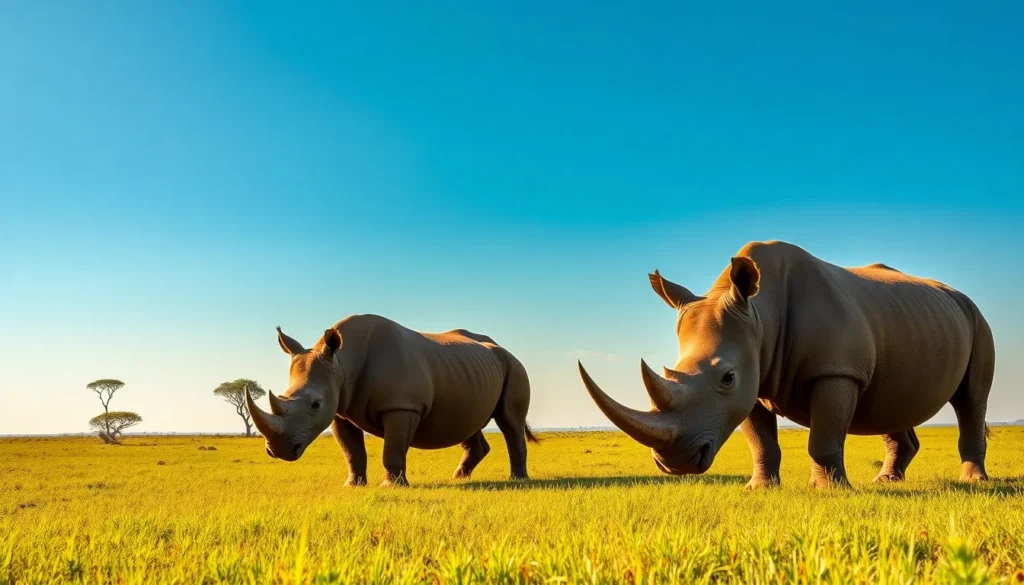
Imagine a world where the majestic northern white rhino roams freely, a symbol of nature’s grandeur. But wait—reality check! With only two known individuals left, both females, the species teeters on the brink of extinction. It’s like watching the last two contestants on a reality show, and spoiler alert—they’re not winning any challenges.
As conservationists scramble to save this gentle giant, the question looms: is the northern white rhino truly extinct? This article dives into the heart of the matter, exploring the current status of these incredible creatures and the efforts being made to bring them back from the edge. Buckle up for a journey through wildlife conservation that’s equal parts hopeful and humorous. After all, who doesn’t love a good comeback story—even if it involves a couple of rhinos?
Overview of the Northern White Rhino
The northern white rhino faces a critical situation with only two known females, both residing in a conservation area in Kenya. Efforts to save this species remain a significant focus for conservationists.
Historical Population Trends
Historically, northern white rhinos thrived in various regions across East and Central Africa, including areas like the Democratic Republic of the Congo and Uganda. By the early 20th century, numbers began to decline due to habitat loss and poaching. In the 1960s, reports indicated around 2,000 individuals, but by the late 1970s, the population plummeted to just a few hundred. By the early 2000s, only a handful remained in the wild. Declaring them functionally extinct occurred in 2018 after the death of the last male.
Recent Sightings and Documented Evidence
Recent evidence indicates minimal activity related to the northern white rhino population. Sightings are scarce, with some recorded in wildlife reserves, but often they are not confirmed. The last known sightings occurred in the spring of 2018 before the species faced further decline. Scientists continue to explore advanced reproductive technologies to prevent total extinction. These attempts include in vitro fertilization, using preserved sperm from deceased males alongside the two remaining females.
Current Status of the Northern White Rhino
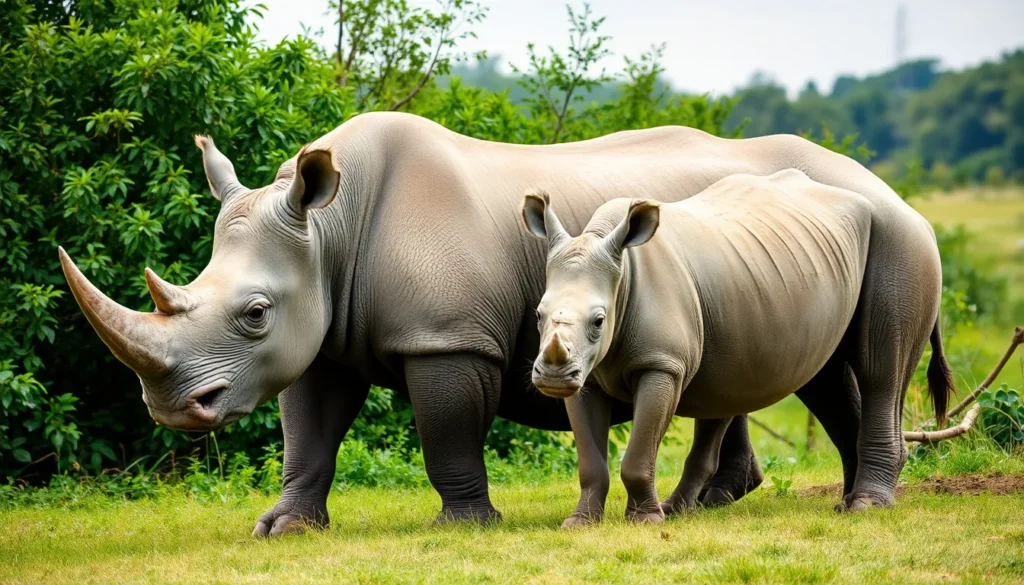
The northern white rhino stands on the brink of extinction, with just two known females left in existence. Both reside in Kenya’s Ol Pejeta Conservancy, where they are under constant protection.
Key Facts about the Last Two Individuals
Najin and Fatu serve as the last two northern white rhinos. Najin, born in 1989, is the older of the two. Fatu, her daughter, was born in 2000. Their reproductive abilities are limited; Najin has health issues preventing her from breeding. Fatu’s ability to conceive remains uncertain as well. The two serve as crucial subjects for conservationists who aim to preserve the species’ genetic material. Both females receive round-the-clock surveillance to protect them from poaching threats, showcasing efforts to secure their survival.
Conservation Efforts Timeline
Conservation efforts for northern white rhinos began in earnest in the early 2000s. By 2014, the situation had become critical, prompting the establishment of a comprehensive breeding program. The last male, Sudan, died in March 2018, leading to a shift towards advanced reproductive technologies. Recent initiatives focus on in vitro fertilization using frozen sperm stored from other deceased males. In 2021, scientists achieved a significant milestone by successfully creating embryos from the preserved genetic material. Continuous discussions about potential mating with southern white rhinos also persist, emphasizing ongoing efforts to save this subspecies from total extinction.
Threats to the Northern White Rhino
The northern white rhino faces several critical threats, primarily stemming from human activity. These dangers contribute substantially to the species’ precarious status.
Poaching and Illegal Trade
Poaching poses one of the greatest threats to the northern white rhino. Criminal organizations target these animals for their horns, which are prized in traditional medicine and as status symbols. Governments and wildlife authorities struggle against the illegal trade that fuels this demand. In the late 20th century, poaching decimated rhino populations across Africa, leading to a decline in the northern white rhino specifically. Loss of habitat from agricultural expansion has further aggravated this crisis, creating a dire situation for the remaining individuals.
Habitat Loss and Human Encroachment
Habitat loss significantly threatens the survival of the northern white rhino. As human populations grow, agriculture and urban development expand into traditional rhino habitats. This encroachment disrupts wildlife migration patterns, pushing them into smaller, isolated areas. Agricultural practices also degrade the land, making it less suitable for these animals. Urbanization brings more people into close contact with wildlife, increasing the chances of conflict. In this context, conservation areas like Ol Pejeta Conservancy play a crucial role in preserving the last two northern white rhinos by providing a safe environment, but the ongoing threats remain a continuous challenge.
Scientific Efforts in Reviving the Northern White Rhino
Efforts to revive the northern white rhino involve innovative scientific techniques and dedicated organizations. Conservationists aim to restore this subspecies while ensuring the safety of the last two individuals.
Advances in Reproductive Technology
Advanced reproductive technologies play a significant role in the northern white rhino’s potential revival. Scientists successfully created embryos in 2021 using preserved sperm from deceased males. In vitro fertilization offers hope for generating viable offspring despite the reproductive challenges faced by Najin and Fatu. Techniques like artificial insemination and embryo transfer are being explored to enhance success rates. Collaboration between geneticists and wildlife biologists is crucial for implementing these modern methods. Multiple embryos have since been developed, leading to further research on gestational carriers, possibly involving southern white rhinos.
Role of Conservation Organizations
Conservation organizations actively drive efforts to prevent the complete extinction of the northern white rhino. Institutions like the Ol Pejeta Conservancy ensure the safety and health of Najin and Fatu, while also supporting breeding programs. Funding from global donors helps sustain these initiatives, which rely on scientific advancement and habitat protection. Partnerships with universities and research institutions facilitate ongoing studies on genetic diversity and reproduction. Raising public awareness about the plight of the northern white rhino fosters greater support for conservation actions. Engagement through social media and fundraising campaigns boosts visibility and encourages community involvement in protection efforts.
Public Perception and Awareness
Public awareness plays a significant role in the preservation of the northern white rhino. Understanding its plight can inspire action and support for conservation initiatives.
Media Influence on Conservation Efforts
Media coverage greatly impacts conservation efforts. Documentaries and news stories shed light on the precarious status of the northern white rhino, reaching audiences around the globe. In-depth reporting often highlights the importance of funding and technological advancements in saving this species. Articles and features in various outlets increase visibility and prompt discussions among policymakers and the public. Social media platforms amplify these messages, generating buzz and encouraging donations. Engaging visuals help captivate users, drawing attention to the beauty of these animals and their urgent need for protection. Successful fundraising campaigns frequently emerge as a result, showcasing how powerful storytelling can mobilize resources and support for conservation.
Community Involvement and Education
Community involvement strengthens conservation efforts. Local organizations play a crucial role in engaging residents and fostering awareness about the northern white rhino. Educational programs in schools and communities inform individuals about the challenges faced by the species and the importance of habitat preservation. Workshops and events promote hands-on participation, creating a sense of ownership in conservation initiatives. Collaboration between conservation groups and local communities fosters empowerment and encourages sustainable practices. Engaging storytelling often inspires participants, making them active advocates for the rhinos. Grassroots movements emerge, demonstrating the significance of local efforts in global conservation challenges.
The fate of the northern white rhino hangs in a delicate balance. With only two females remaining and advanced reproductive technologies being explored, there’s a glimmer of hope for this critically endangered species. Conservation efforts continue to adapt and innovate in the face of overwhelming challenges.
Public awareness and community involvement remain vital in sustaining these initiatives. As the world watches and learns, the potential for a future where the northern white rhino thrives again is not entirely out of reach. The ongoing commitment to conservation could pave the way for a remarkable comeback, reminding everyone of the importance of protecting our planet’s biodiversity.